Next.jsPlatforms
Next.js is our front-end framework of choice for data-heavy, interactive websites and web applications with global audiences. Paired with Vercel hosting, it delivers fast, edge-rendered pages to visitors anywhere in the world, ideal for the research, climate, and policy projects we deliver.
Why we build on Next.js
Some projects demand more than a traditional content-managed website. When a brief involves dense interactive data, complex user journeys through large datasets, or high-performance rendering of structured content, Next.js is usually the right answer. It gives us server-rendered pages for SEO and speed, incremental static regeneration for content that updates in the background, and a React front-end for the rich, stateful interfaces that research and data projects need.
We’ve used Next.js on several of our most demanding projects, typically paired with a Craft CMS or Laravel backend providing the structured content and APIs that the Next.js front-end consumes.
What Next.js is good at
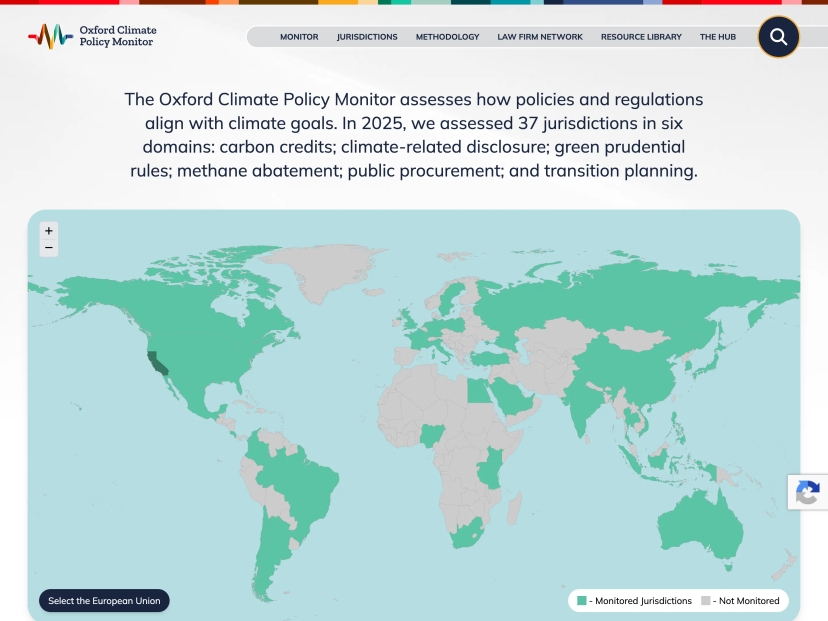
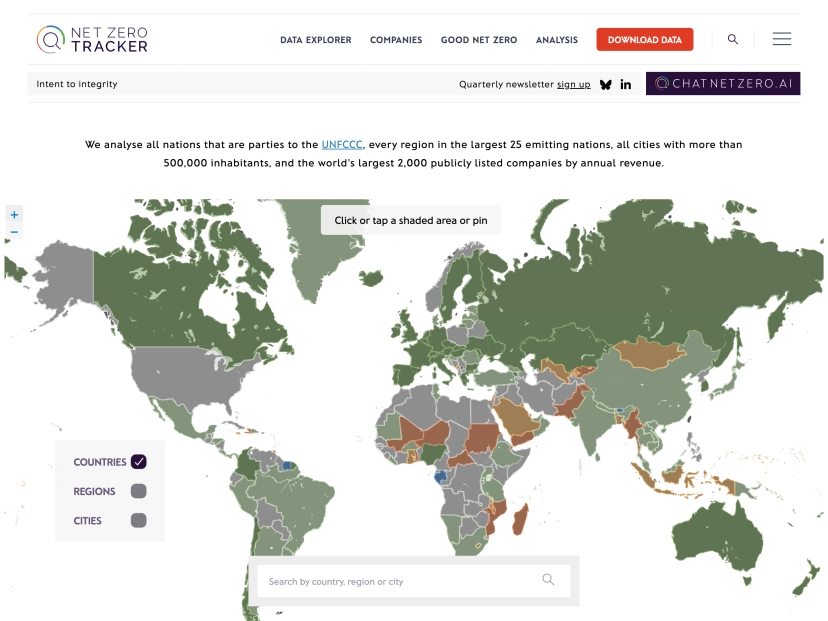
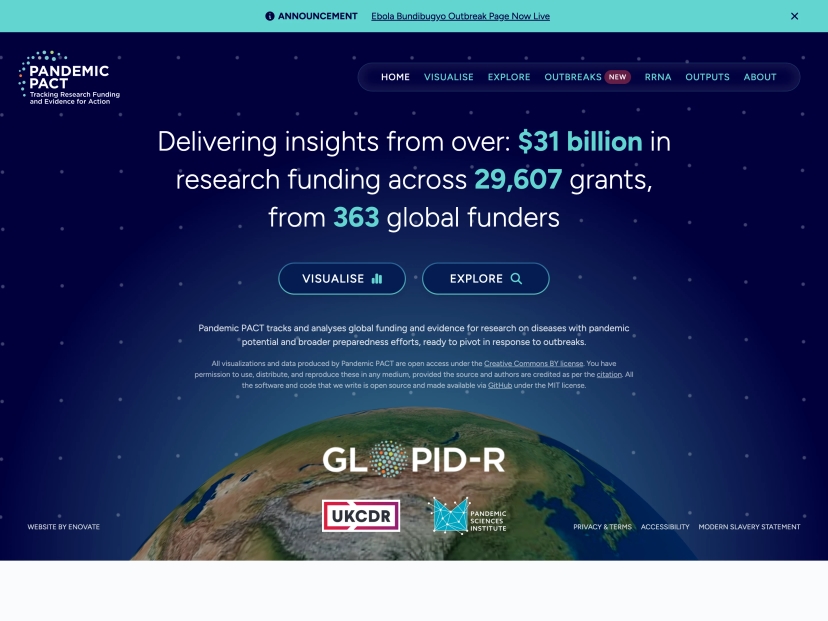
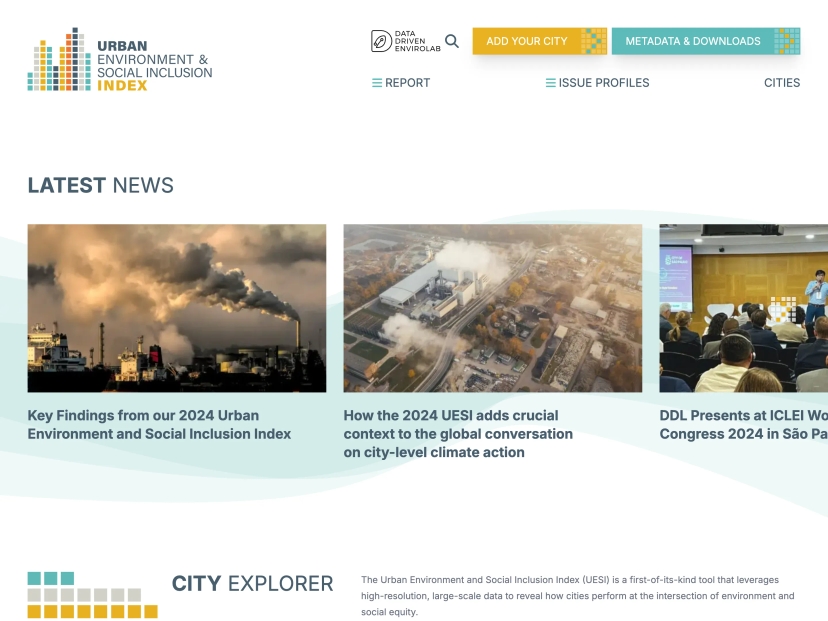
Data-heavy research and policy platforms. Projects where the site is more than a brochure, where visitors need to explore, filter, compare, and drill into structured data. Next.js handles the rendering performance and React handles the interaction model, and the combination lets us ship interfaces that feel like applications rather than documents.
Headless architectures with Craft CMS. Where editors need Craft’s content management strengths but the front-end needs to be something more dynamic than a server-rendered Twig template, Next.js pulls content through Craft’s GraphQL API and renders it with full React-level interactivity. Static generation, on-demand revalidation, and incremental builds make this approach practical at scale.
Front-ends on bespoke Laravel applications. For Laravel-powered applications that need a richer UI than Blade templates allow, Next.js makes an excellent front-end layer, consuming Laravel’s APIs directly and handling state, routing, and interactive components independently.
Performance-critical sites. Next.js’s image optimisation, font loading, code splitting, and edge rendering mean Lighthouse scores stay high even on content-dense pages, which matters for both user experience and search visibility.
Our Next.js credentials
- Production Next.js experience since 2021, delivered across research, climate, and policy projects
- Comfortable with both headless Craft and Laravel-backed architectures
- Experience with complex interactive data visualisation, charts, maps, filters, comparison tools, and structured search
- Vercel-hosted Next.js front-ends for edge-delivered global performance, paired with Craft or Laravel backends on our own AWS infrastructure (one team managing both sides of the stack)
Related services
Next.js powers the front-end layer on many of our Web Applications, Laravel Development, and Data Visualisation projects. It’s also our default recommendation whenever a website brief calls for a React-level interactive experience rather than a traditional content-managed site.
Projects built with Next.js




Ready to start your project?
Let's discuss how we can help you achieve your digital goals. We typically respond within one business day.